

Ford Transit Van Cargo Recommended Maintenance Sch
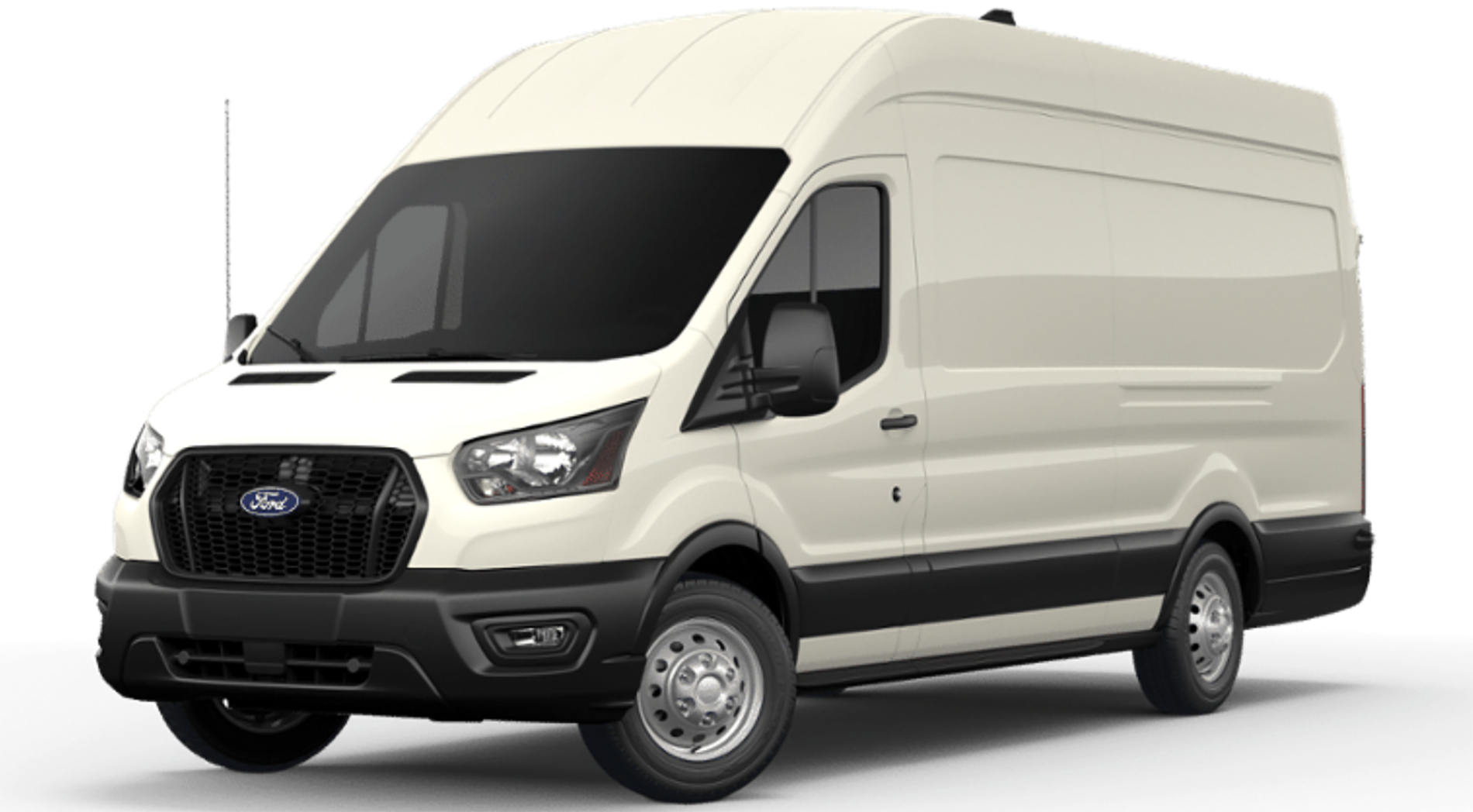
Quick Reference Maintenance Checklist (Gas & All Electric)
7,500–10,000 Miles / 12 Months
- Oil & filter (gas only; follow oil life monitor)
- Tire rotation + brake check
- Multi-point inspection
- Electric: Check high-voltage battery cooling system
- Gas: Inspect exhaust & heat shields
20,000 Miles / 24 Months
- Replace cabin air filter
- Full brake inspection
- Check steering & suspension
30,000 Miles / 36 Months
- Replace engine air filter (gas)
- Inspect AWD axle/transfer case
- Brake fluid flush
60,000 Miles / 72 Months
- Replace engine air filter
- Inspect drive belts
- Heavy use: replace transmission fluid
100,000 Miles / 120 Months
- Replace spark plugs (gas)
- Coolant flush (EV uses HV system coolant)
- Replace drive belts if needed
150,000 Miles
- Transmission fluid & filter
- AWD axle fluids (front & rear)
Keeping up with this schedule helps your Ford Transit van perform the way it was designed. Whether you manage a fleet of delivery vans, use your vehicle for a mobile workstation, or operate passenger shuttles, regular maintenance helps ensure your commercial vehicle is ready to work.
Ford Transit Service: 7,500 to 10,000 Miles (Or 12 Months)
The Ford manufacturer designed the Transit van with an Intelligent Oil Life Monitor to alert owners when service is needed based on actual fleet use and driving conditions. To maintain your factory warranty and vehicle health, Ford dealerships perform these essential tasks during your scheduled commercial service visit.
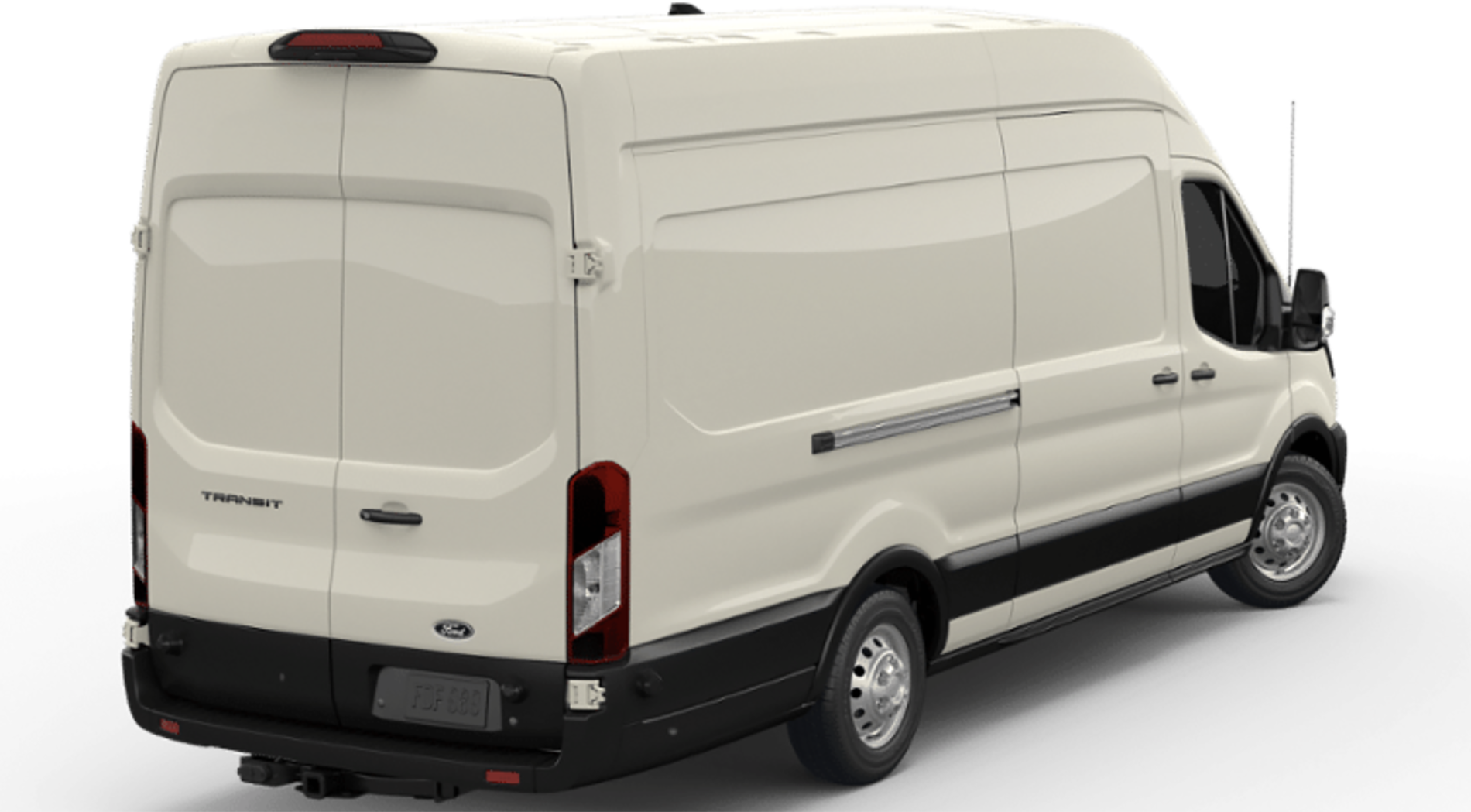
Service Timing Based on Your Driving Habits
- Normal Driving: Following the oil life monitor usually results in service every 7,500 to 10,000 miles. This covers standard regional deliveries and highway transit.
- Severe Duty: Ford recommends an oil and filter change every 5,000 miles if you frequently haul heavy payloads, tow equipment, or idle for extended periods at worksites.
- Extreme Conditions: If you operate in dusty job sites, sandy areas, or stop and go city traffic constantly, Ford dealerships suggest more frequent inspections of the engine air filter and suspension components.
What is Included in Your 10,000 Mile Service
- Oil and Filter Change: Replacing engine oil with the Ford manufacturer recommended weight for EcoBoost or naturally aspirated V6 engines.
- Tire Rotation: Rotating all commercial tires to ensure even tread wear across the front and rear axles, which is critical for heavy cargo loads.
- Brake Inspection: Detailed check of commercial grade pads, rotors, and brake lines.
- Multi Point Inspection: A comprehensive health check of all fluid levels, battery terminals, and safety systems.
- All Electric Models: Comprehensive inspection of the high voltage battery cooling system and electrical connections.
Ford Transit Service: 20,000 Miles (Or 24 Months)
At the 20,000 mile interval, the focus remains on maintaining a clean cabin environment for the driver and ensuring the commercial steering system is responsive. This visit includes all standard 10,000 mile services plus:
- Cabin Air Filter Replacement: Replacing the filter to keep the commercial HVAC system efficient and the interior air free of dust or site debris.
- Suspension Inspection: Ford technicians inspect the heavy duty steering linkage, ball joints, tie rods, and suspension components for signs of wear or fatigue.
Ford Transit Service: 30,000 Miles (Or 36 Months)
The 30,000 mile mark is a major milestone for engine protection and commercial fluid integrity. Ford dealerships focus on the following:
- Engine Air Filter Replacement: Replacing the filter to maintain fuel economy for both Gas V6 and EcoBoost powertrains.
- Brake Fluid Service: Ford recommends a brake fluid flush every 3 years regardless of mileage to prevent moisture contamination and preserve braking performance.
- All Wheel Drive Models: Inspection of the front axle, rear drive unit, and transfer case for any signs of commercial fluid leaks.
Ford Transit Service: 60,000 Miles (Or 72 Months)
As your Transit van reaches higher commercial mileage, the Ford parent company suggests closer looks at the cooling and drive systems:
- Accessory Drive Belt Inspection: Checking for cracks or fraying on the belts that power the alternator and heavy duty cooling systems.
- Transmission Fluid Service: For commercial vehicles used in severe duty, frequent towing, or high idle applications, Ford dealerships recommend replacing the transmission fluid at this stage.
- Cooling System Check: Inspection of all radiator hoses, commercial cooling lines, and the engine cooling system for leaks or degradation.
Ford Transit Service: 100,000 to 150,000 Miles
- Spark Plug Replacement: Required at 100,000 miles for gas models to ensure proper ignition, minimize emissions, and maintain fuel efficiency.
- Engine Coolant Flush: Initial replacement of engine coolant occurs at 100,000 miles to prevent internal engine corrosion.
- Electric Powertrain Coolant: E Transit models require specific service and flushing of the high voltage secondary cooling system for the battery and electrical drive components.
- Transmission Fluid Replacement: Under normal driving conditions, the Ford manufacturer recommends a full transmission fluid change at 150,000 miles to protect heavy duty gears.
If you are ready for top rated Transit van service in Red Wing, MN to Rochester and the Minneapolis areas, House Ford is here for you.
Available Monday through Saturday, our commercial Ford mechanics are well equipped to prepare auto service needed to help maintain the longevity and uptime of your Ford business vehicle. Book a service appointment today.
Ford Transit Van: Specialized Upkeep for Long Term Reliability
Proper care helps your Ford Transit van stay dependable, especially if you manage heavy commercial loads, run a busy delivery route, or navigate changing seasons. These service tips focus on durability, efficiency, and avoiding costly downtime for your business.
Commercial Driving Care and Multi Terrain Use
Driving on gravel paths, dusty construction sites, or muddy roads adds extra wear to a commercial work van.
- Air filter inspections: Dust and debris clog filters faster. Engine and cabin air filters should be checked more often to protect commercial performance and fleet fuel economy.
- Underside cleaning: Mud and road salt trap moisture underneath large cargo vehicles. Technicians clean and inspect the commercial undercarriage, including heavy duty heat shields and body mounts.
- Water exposure checks: After driving through deep water on flooded routes, fluids in the transmission and rear axle may need inspection or replacement to prevent internal commercial gear damage.
Ford Transit Engine Oil Requirements
Using the correct oil protects internal components, supports turbochargers in commercial engines, and improves overall fleet efficiency.
- EcoBoost and V6 gas engines: SAE 5W 30 or SAE 5W 20 synthetic blend or full synthetic oil is utilized depending on your specific engine configuration. Always confirm with your owner manual or a Ford dealership.
- Oil filters: Genuine Motorcraft or manufacturer approved oil filters ensure proper oil flow and filtration per rigorous Ford Motor Company standards for commercial vehicles.
- All Electric Models: For the all electric E Transit model, standard engine oil changes are entirely skipped, lowering overall maintenance requirements.
Transmission and Driveline Service
Different Ford Transit configurations require specialized commercial care.
- Gas models: Heavy duty 10 speed automatic transmission setups designed for hauling.
- All Electric models: Single speed electric drivetrain components requiring specialized inspection.
- Heavy use guidance: Fluid replacement is recommended every 60,000 miles if your van frequently carries maximum payloads, idles for long periods at job sites, or handles steep terrain.
- AWD systems: Intelligent AWD models require periodic inspection of the transfer case, front axle, and rear drive unit fluids and seals.
Cooling and Ignition System Maintenance
Heat management is critical for large commercial vehicles, whether gas or electric.
- Coolant replacement: First service at 100,000 miles, then every 50,000 miles using Ford approved prediluted coolant.
- Electric cooling system: E Transit models feature a separate cooling circuit for high voltage electronics and battery packs that should be inspected at every service visit.
- Spark plugs: Replacement at 100,000 miles for gas variants helps prevent misfires and maintains peak engine efficiency.
Suspension and Brake System Care
These heavy duty systems affect safety, vehicle stability while loaded, and commercial tire life.
- Brake fluid flush: Recommended every 3 years to remove moisture and maintain responsive braking under heavy loads.
- Electric brake inspections: Regenerative braking on electric models reduces pad wear, but annual checks ensure commercial calipers move freely.
- Steering and suspension checks: Heavy duty ball joints, steering linkages, tie rods, and CV boots are inspected periodically for signs of commercial wear or grease leaks.
- Wheel alignment: Check alignment when installing new commercial tires or after hitting large potholes, curbs, or construction obstacles.
Heavy Use and Seasonal Maintenance
Extra attention helps prevent unexpected issues on the job.
- Engine air filters: Replace every 30,000 miles, or sooner if driving in dusty construction areas or gravel roads.
- 12 volt battery testing: Annual testing is recommended, especially before winter. Dual battery commercial setups require specific Ford manufacturer testing protocols.
- Ford Co Pilot360 sensors: Keep the upper windshield and front bumper clean so commercial safety cameras and radar systems function correctly.
- Floor mat safety: Always ensure the driver side commercial floor mat is secured to the factory retention posts to prevent pedal interference.
Ford E Transit Electric Van: Simple Maintenance Tips for Owners
The all electric Ford E Transit pairs an advanced electric motor with a high voltage battery system. These components are designed for commercial durability, but proper upkeep is key. Routine service at a certified Ford dealership helps everything run smoothly and efficiently over time.
High Voltage Battery Cooling System
The electric van battery must stay cool to perform properly under demanding work schedules.
- Keep the area clear: Avoid buildup of dirt, mud, or debris near the battery cooling components under the vehicle. Trapped heat can shorten battery life.
- Use the correct coolant: High voltage electric systems require a specialized coolant that is safe for electrical components, which is entirely different from standard engine coolant.
- Battery health checks: During scheduled commercial service, technicians can test battery cell balance and efficiency to catch issues early.
Electric Powertrain Cooling System
The E Transit uses separate cooling loops for its advanced commercial electronics.
- Extra coolant reservoir: You will notice an additional coolant tank under the hood area. Fluid levels should remain between the minimum and maximum lines.
- Extended service interval: This high voltage cooling system fluid typically lasts up to 150,000 miles, following specific guidance from Ford Motor Company.
- Why it matters: Proper cooling protects high voltage components and helps prevent costly commercial electrical repairs.
Regenerative Braking System Care
The electric motor helps slow the commercial vehicle, reducing stress on traditional commercial brakes.
- Longer brake life: Heavy duty brake pads usually last longer than those on traditional non electric cargo vans.
- Rust checks: Less frequent physical brake use can allow light surface rust to form on rotors. Routine commercial inspections help prevent problems.
- Correct brake fluid: Ford approved low viscosity brake fluid ensures smooth braking in both hot summers and cold Red Wing winters.
12 Volt Battery Maintenance
Electric commercial vans still rely on a standard 12 volt battery system for onboard electronics and computer startup.
- Prevent drain: Long periods without operating the van can weaken the 12 volt system. Regular fleet use or a proper battery maintainer helps.
- Inspect connections: Loose or corroded commercial battery terminals may trigger warning lights or vehicle starting issues.
Staying on top of these simple maintenance items helps keep your Ford E Transit dependable, energy efficient, and ready for everyday commercial driving.
Why Service Your Ford Transit Van at House Ford?
Technicians who work on Ford commercial vehicles and vans every single day service your Ford Transit. From efficient all electric E Transit cargo models to turbocharged EcoBoost configurations, our team knows how to keep your work vehicle reliable for business deliveries, passenger transport, and everything in between.
Factory Certified Transit Expertise
- Transit focused training: Technicians trained specifically on Ford commercial platforms, high roof configurations, and Transit specific chassis design.
- Powertrain know-how: Extensive experience with EcoBoost commercial engines, 10 speed automatic transmissions, and Intelligent AWD systems.
- Electric vehicle specialists: Proper care for E Transit electric motors, high voltage systems, and commercial battery cooling paths.
- Drivetrain precision: Heavy duty commercial components, CV axles, and suspension tuned for Red Wing roads year round.
Advanced Diagnostic Technology
- Factory approved software: Proprietary Ford scanning technology built for modern Ford commercial electrical systems.
- Fast, accurate diagnosis: Pinpoints issues quickly in turbos, commercial safety sensors, and electric drive systems.
- Smarter repairs: This advanced technology eliminates guesswork, leading to a quicker turnaround to minimize fleet downtime.
Genuine Ford Parts Advantage
- Exact fit components: Authentic OEM parts engineered specifically for the weight and payload demands of the Transit frame.
- Built to last: Meets strict Ford standards for commercial durability and vehicle efficiency.
- Safety recalibration: Ford Co Pilot360 safety features are precisely recalibrated after repairs, so driver assist systems operate correctly.
Complimentary Multi Point Inspection
- Brakes: Commercial grade pads, rotors, and electric regenerative braking systems are thoroughly checked.
- Electrical and battery: The 12 volt battery setup is tested, and hybrid or electric cooling paths are inspected.
- Suspension and structure: Commercial steering components, heavy duty struts, and unibody mounts are reviewed for wear or fatigue.
Ford Warranty and Maintenance Coverage
| Coverage | Length | What It Covers |
|---|---|---|
| New Vehicle Limited (Bumper-to-Bumper) Warranty | 3 years or 36,000 miles | Most parts of your vehicle including the body, electronics, and factory-installed components |
| Powertrain Warranty | 5 years or 60,000 miles | Engine, transmission, and drivetrain |
| Corrosion (Rust-Through) Warranty | 5 years and unlimited miles | Holes in body panels caused by rust |
| Roadside Assistance | 5 years or 60,000 miles | Towing, flat tire service, jump-starts, lockout help, and fuel delivery |
View: The Ford Warranty
FAQS
Warranty and Scheduled Care
Ford Transit and E Transit vans come with multiple layers of factory protection:
- Bumper to bumper warranty covers 3 years or 36,000 miles
- Gas and diesel powertrain coverage lasts 5 years or 60,000 miles
- Qualified commercial fleet buyers may receive powertrain coverage up to 5 years or 100,000 miles
- E Transit electric drivetrain and high voltage battery are covered for 8 years or 100,000 miles with a minimum 70 percent battery capacity guarantee
- Safety restraint system coverage lasts 5 years or 60,000 miles
- Corrosion protection lasts 5 years with unlimited mileage
New Transit vans earn FordPass Rewards Points. These points can be used toward early maintenance visits, including oil changes, tire rotations, and multi point inspections at House Ford.
Yes. Ford Protect Extended Service Plans and Ford Pro Protect plans for fleets allow you to lock in current pricing for routine maintenance and software updates for up to 8 years or 150,000 miles.
Ownership Costs and Long Term Value
- Gas Transit models average $600 to $900 per year due to heavy commercial use
- This is quite cost-efficient, considering that, according to Consumer Affairs, average car maintenance costs across the auto industry range from $400–$1,200 per year.
- E Transit models cost roughly 40 percent less to maintain since they do not require oil changes, spark plugs, belts, or emissions equipment
- Gas models average $3,200 to $4,500 over five years
- E Transit models average $1,500 to $2,200 over five years
- Most E Transit costs focus on tires, cabin filters, and brake fluid service
Oil and Fluid Services
- Gas engines use an Intelligent Oil Life Monitor
- Standard use requires service every 7,500 to 10,000 miles or 12 months
- Severe duty use requires service every 5,000 miles or 6 months
- E Transit models do not require oil changes
- Gas models with the 10 speed automatic require inspections during regular service
- Severe duty fluid replacement occurs around 60,000 miles
- E Transit uses a single speed electric drive unit with inspection only
- Factory fluid replacement is recommended at 150,000 miles
Both gas and electric models use Ford Yellow coolant:
- First service at 100,000 miles or 10 years
- After that, every 50,000 miles or 5 years
Brakes, Tires, and Ride Quality
Brake components are inspected every 5,000 to 10,000 miles during tire rotation. E Transit models extend brake life due to regenerative braking.
- Tire rotation every 5,000 to 7,500 miles
- Tire replacement typically occurs between 35,000 and 55,000 miles due to heavy loads and city driving
Engine and Mechanical Components
A full commercial inspection is performed during each service interval, usually every 10,000 miles. This includes suspension, chassis components, and high voltage systems on E Transit models.
- Gas models require spark plug replacement between 60,000 and 100,000 miles depending on idle time
- E Transit models do not use spark plugs
No. Transit gas engines use a heavy duty internal timing chain designed to last the life of the engine.
Filters and Battery Care
- Cabin air filter every 20,000 miles
- Engine air filter every 30,000 miles on gas models
- Dusty or construction environments may require earlier replacement
Most batteries last 3 to 5 years. Dual battery setups and E Transit support batteries should be load tested annually, especially before winter.
AWD and Electric Vehicle Considerations
Yes. AWD systems require visual inspection every 15,000 miles. Fluid replacement is typically recommended at 150,000 miles or sooner under heavy commercial use.
The high voltage battery is maintenance free. Coolant levels must be monitored to ensure proper thermal management, especially during fast charging.
Common Driving Questions
Common causes include wheel imbalance, shifting cargo, tire flat spots, or alignment issues from curb impacts. Commercial vans require frequent alignment checks.
Morning brake noise is usually caused by moisture on heavy duty rotors. E Transit models may experience this more often because regenerative braking reduces rotor use.
Performance and Operating Sounds
Efficiency is reduced by cold weather, highway speeds over 70 MPH, heavy upfits, roof shelving, and cabin heating. E Transit range improves when preconditioning while plugged in.
- Gas models produce clicking from direct injection fuel systems
- E Transit models produce a low speed electronic hum from the pedestrian alert system
Dimensions & Commercial Space
- Long wheelbase models fit standard parking spaces with minimal overhang
- Extended length models add rear cargo space but require caution on steep driveways and tight turns
Mechanical and Powertrain
Fleet operators report water pump replacement between 60,000 and 90,000 miles. Warning signs include coolant loss or residue near engine pulleys.
Simultaneous ABS, traction control, and brake warnings are often caused by a failed wheel speed sensor or a weak 12 volt battery rather than a major system failure.
Cold temperatures can reduce range by 30 to 40 percent. Preconditioning while plugged into a Level 2 charger helps preserve battery range.
High speeds increase aerodynamic drag. Keeping speeds near 60 MPH significantly improves real world range.
High roof vans are more affected by wind when unloaded. Stability improves once 500 to 1,000 pounds of cargo or shelving is added.
Dealership and Service Experience
- Commercial certified technicians trained on Transit and Ford Pro systems
- Heavy duty service bays for high roof and extended length vans
- VIN tracked service records that protect warranty coverage
- Direct handling of recalls, software updates, and EV calibrations

Schedule Ford Service at House Ford in Red Wing, Minnesota
3538 Highway 61 West, Red Wing, MN 55066
Service Phone Number: 651-215-2054
Hours: Monday–Friday, 7am–6pm
Is your Ford Transit van due for scheduled service?
From routine oil changes to more involved mechanical repairs, House Ford makes Transit maintenance straightforward. Our Ford-trained technicians use genuine Ford parts to help keep your van reliable, efficient, and ready for work.
Stay ahead of unexpected downtime.
Schedule your Transit service today and experience easy, dependable care at House Ford.
Shop Ford Now
Disclaimer
House Ford believes the information and specifications on this website to be correct at the time of publishing.
Service intervals, track recommendations, fluids, costs, and warranty details are for general information only and may vary by model year, driving style, track use, and manufacturer updates. Track use increases service needs and wear. Warranties cover defects only and do not include routine or performance maintenance unless stated. This content is not a binding offer. Always follow the Owner’s Manual, Track Preparation Guide, and dealership guidance.
Images of vehicles are for illustrative purposes only. Please see the dealer for details and availability.